How Solar EnergyActually Works
From sunlight to savings—understand the technology, process, and financial benefits of going solar
Why Go Solar?
Where savings meets sustainability—four compelling reasons to make the switch
Immediate Savings
Solar is designed to offer immediate savings on your utility bill with predictable costs in the future. While future savings are projections, they remain a very compelling reason to get solar for your home.
Peace of Mind
Your system comes with comprehensive warranties and monitoring. Many financing options include maintenance coverage, making solar a worry-free way to generate clean energy.
Cost Stability
Your future energy costs are more predictable with solar. Lock in rates and avoid the volatility of traditional utility rate hikes that can fluctuate based on market conditions.
Good for the Planet
Solar systems harvest clean energy from the sun for you to consume directly or feed back to the grid. It's good for you, the grid, and the planet.
Traditional Power vs. Solar Power
Traditional Grid Power
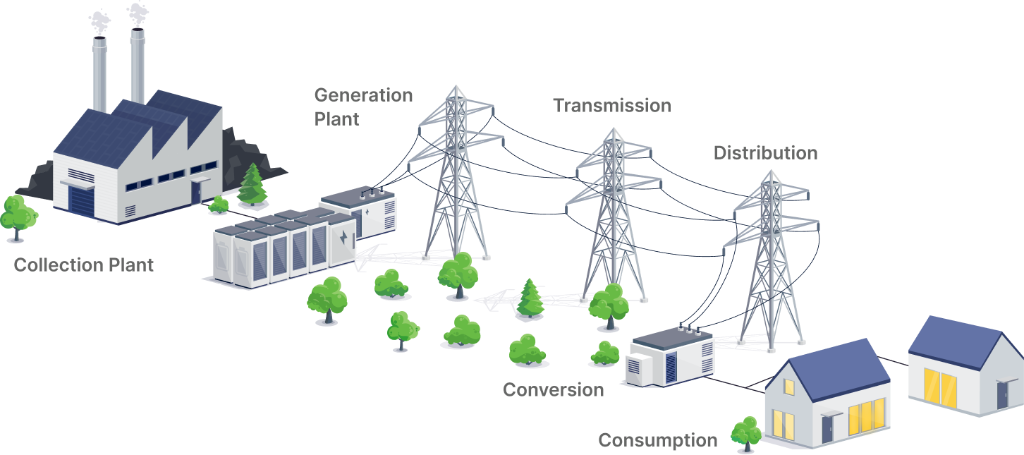
Your home energy meter tracks your monthly energy usage, which guides your utility bill costs.
Rates fluctuate due to factors outside your control:
- •Shifts in supply and demand
- •Changes in fuel costs
- •Ongoing maintenance of infrastructure
- •Unexpected events like natural disasters
Solar Power
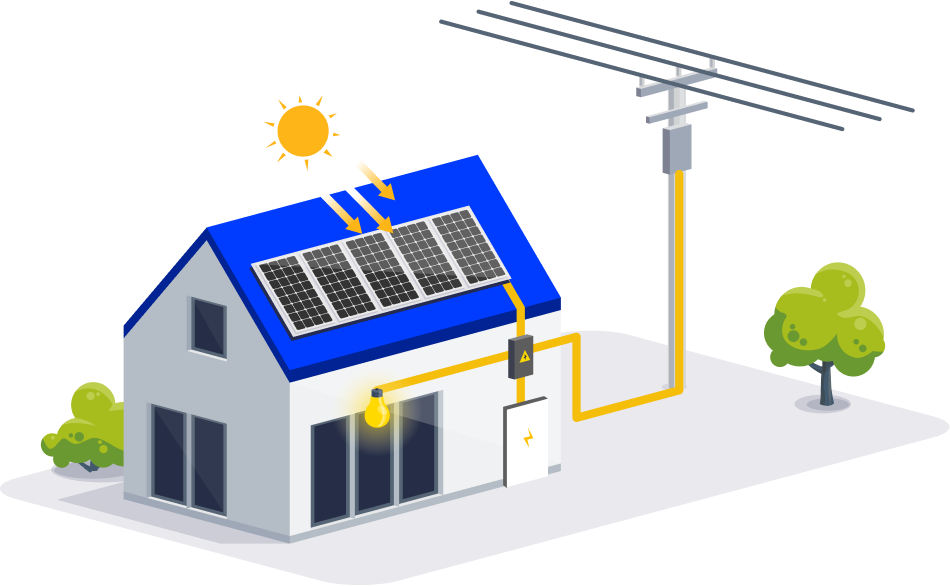
Embrace the power of the sun with residential solar, where savings meets sustainability.
Making the switch to solar means you are less reliant on purchasing power from the utility company, which may save you money and lowers your carbon footprint.
Solar Benefits:
- Generate your own clean energy
- Predictable energy costs
- Reduce reliance on the grid
- Zero-emission energy source
Understanding Net Metering
With residential solar panels, local net metering policies help you save money and promote clean energy
How Net Metering Works
Daytime Production
Solar panels often generate more electricity than your home needs during sunny days.
Send Excess to Grid
Extra electricity flows back to the power grid, and your meter literally runs backward.
Earn Credits
You earn credits for that extra energy, which accumulate on your utility account.
Use Credits at Night
These credits lower your bills by offsetting power you buy in evenings, at night, and on cloudy days.
Note: Net metering policies vary by utility company. We'll help you understand your specific utility's net metering program and how to maximize your savings.

Solar's Environmental Impact
Solar power is a zero-emission energy source. Over 25 years, your home solar system could reduce your carbon footprint by an amount equivalent to:
100+
acres of trees planted
200K+
miles not driven by a gas vehicle
90+
tons of coal not burned
*Environmental impact calculations based on average residential solar system over 25 years
The Science Behind Solar Power
Solar panels convert sunlight into electricity through a simple yet powerful process
The Photovoltaic Effect
Sunlight Hits the Panel
Photons from sunlight strike the solar panel's photovoltaic cells made of silicon.
Electrons Get Excited
The photons knock electrons loose from their atoms, creating an electric current.
DC Power Generated
The flow of electrons creates direct current (DC) electricity.
Converted to AC Power
An inverter converts DC electricity to alternating current (AC) that powers your home.

25+
Years Lifespan
Key System Components
Solar Panels
Convert sunlight to DC electricity
Inverter
Converts DC to usable AC power
Battery (Optional)
Stores excess energy for later
Electrical Panel
Distributes power to your home
What Affects Your Solar Production?
Understanding the factors that influence how much energy your system generates
Seasonal Variation
Similar to how your energy consumption fluctuates throughout the year, so will your solar system's production. Summer months typically produce more energy than winter months.
💡 Pro Tip: Your system is designed to balance out over the full year
Shade & Weather
Solar production is impacted by weather, daylight hours, and shade from vegetation, local geography, and structures. Even small changes in shading can impact production.
💡 Pro Tip: We analyze shade patterns during your site assessment
Your Energy Usage
If you increase your power usage after installation (EV, pool, etc.), you'll consume more of your solar production and have less to sell back to the grid.
💡 Pro Tip: Plan future energy needs during your design consultation
System Maintenance
While solar panels require minimal maintenance, keeping them clean and ensuring proper operation maintains optimal production levels throughout the system's 25+ year life.
💡 Pro Tip: Most systems include monitoring to track performance
Your Complete Solar Journey
From consultation to Permission to Operate (PTO)—here's the complete process
Site Survey & Assessment
1-2 hoursA qualified solar professional visits your property to assess various factors that could impact the design and installation. We evaluate your roof condition, electrical panel, shading, and energy needs.
Custom System Design
3-5 daysOur engineers create a personalized system design with detailed 3D models, production estimates, and equipment specifications. We review designs with you to ensure alignment with your expectations.
Financing & Incentives
1-2 weeksWe help you navigate financing options, federal tax credits, state incentives, and Mass Save® rebates to maximize your savings. Multiple payment options available.
Permitting & Paperwork
2-6 weeksWe submit final designs and manage all necessary permitting and paperwork required by your local municipalities. This includes utility interconnection agreements.
Professional Installation
1-3 daysWhen it's time to install, we work with you to schedule a convenient time. Our certified installers mount panels, connect inverters, and integrate with your electrical system.
Inspections & Testing
1-2 weeksAfter installation, we coordinate final inspections with your local municipalities. The utility company verifies that the system has been installed according to industry standards and safety requirements.
Permission to Operate (PTO)
1-3 weeksOnce inspected and approved, we coordinate with your utility company to obtain permission for your system to operate on the grid. You're now generating clean solar power!
Total Timeline: 8-14 Weeks
From initial site survey to Permission to Operate
Timeline Note: Permit timeframes can vary by municipality. Some areas approve permits quickly while others may take longer. We'll keep you informed throughout the entire process.
The Financial Benefits
Solar isn't just good for the planet—it's great for your wallet
15¢/kWh
SMART 3.0 Program
Massachusetts' Solar Renewable Energy Credit program pays you for excess solar generation fed back to the grid
$1,000
MA State Incentive
Massachusetts offers an additional $1,000 state tax credit
Efficiency Rebates
Combine solar with Mass Save® efficiency upgrades for additional state incentives
Typical Return on Investment
Sample System Investment
Long-Term Savings
After payback: Years 11-25+ are pure profit—free electricity with no utility bills!
Why Massachusetts Homeowners Choose Solar
Lock In Energy Costs
Stop utility rate increases. Your solar payments are predictable—utility bills are not.
Energy Independence
Generate your own power. Reduce reliance on the grid and fossil fuels.
Increase Home Value
Homes with solar sell faster and for more money than comparable homes without.
Environmental Impact
Reduce your carbon footprint by 3-4 tons of CO₂ per year—equivalent to planting 100 trees annually.
Backup Power Options
Add battery storage for power during outages and peak demand times.
Low Maintenance
Solar panels require minimal maintenance. Most systems come with 25-year warranties.
Learn More in Our Knowledge Base
Dive deeper into solar energy with our comprehensive guides and resources
Solar Installation Guide
Step-by-step walkthrough of the complete solar installation process and what to expect at each stage.
Browse Solar ResourcesMass Save® Programs
Discover available rebates, incentives, and efficiency programs to maximize your solar savings.
Explore IncentivesSolar Financing Options
Compare cash purchases, loans, PPAs, and leasing options to find the payment plan that works for you.
Explore Financing